Buying a former grow-op
General rule: never buy a stigmatized house. But there are reasons when it makes sense to consider these less-than-desirable properties.


Advertisement
General rule: never buy a stigmatized house. But there are reasons when it makes sense to consider these less-than-desirable properties.
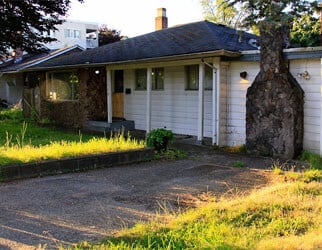 The listing looked good. A detached three-bedroom in one of Toronto’s older west-end, working class neighbourhoods. It was a solidly built home, with plenty of parking, and great access to stores and transit. But, buried deep within an attached report document (known as a Schedule, in realtor speak) was a single line:
“Former grow op. Remediation and air quality reports available.”
We were shocked. The family home—complete with portraits and memorabilia—just didn’t give the impression of a tawdry drug lab.
Even worse, many buyers are so thrown that even professional remediation and remodeling can’t dispel the stigma.
But does that mean you should avoid any houses formerly used for illegal purposes?
No.
But to take advantage of a former grow op home sale, you need to really consider how this fact will fit into your purchasing strategy.
Financing: The first hurdle to consider is whether or not you can get financing for a former grow op home. Many lenders are quite shy about providing a mortgage for a home that hasn’t been professionally remediated. That’s because grow ops can do significant damage to the structure, electrical and heating and ventilation components of a home—and this can dramatically decrease the value of the home. For that reason, consider homes that have already been professional renovated and inspected and make sure you ask, and get, paperwork that back up these claims.
Long term goal: Next, consider how long you’ll be living in the home. If you don’t plan on staying in the home for an extended period of time (say 15 to 20 years) you may want to look for something else. That’s because, by law, you must disclose the fact that the home was a former grow up. If you buy now at a discount, you will be on the other end when it comes time to sell.
However, one way to avoid the stigma discount is to allow time to wash away the appearance of any dangers. That doesn’t mean you can omit the fact that a home was a former grow op, but to a buyer finding out that a home was a grow op 20 years ago, vs. two years ago, will go a long way to mitigating the impact of a stigma on your sale price.
Love the area, take the loss: Finally, the only other reason to consider a former grow op home is because you absolutely love, but can’t afford, to buy into the area. The fact that the home was a former grow op will reduce the price. Just remember that when you go to sell, the same will apply to your sale price.
The listing looked good. A detached three-bedroom in one of Toronto’s older west-end, working class neighbourhoods. It was a solidly built home, with plenty of parking, and great access to stores and transit. But, buried deep within an attached report document (known as a Schedule, in realtor speak) was a single line:
“Former grow op. Remediation and air quality reports available.”
We were shocked. The family home—complete with portraits and memorabilia—just didn’t give the impression of a tawdry drug lab.
Even worse, many buyers are so thrown that even professional remediation and remodeling can’t dispel the stigma.
But does that mean you should avoid any houses formerly used for illegal purposes?
No.
But to take advantage of a former grow op home sale, you need to really consider how this fact will fit into your purchasing strategy.
Financing: The first hurdle to consider is whether or not you can get financing for a former grow op home. Many lenders are quite shy about providing a mortgage for a home that hasn’t been professionally remediated. That’s because grow ops can do significant damage to the structure, electrical and heating and ventilation components of a home—and this can dramatically decrease the value of the home. For that reason, consider homes that have already been professional renovated and inspected and make sure you ask, and get, paperwork that back up these claims.
Long term goal: Next, consider how long you’ll be living in the home. If you don’t plan on staying in the home for an extended period of time (say 15 to 20 years) you may want to look for something else. That’s because, by law, you must disclose the fact that the home was a former grow up. If you buy now at a discount, you will be on the other end when it comes time to sell.
However, one way to avoid the stigma discount is to allow time to wash away the appearance of any dangers. That doesn’t mean you can omit the fact that a home was a former grow op, but to a buyer finding out that a home was a grow op 20 years ago, vs. two years ago, will go a long way to mitigating the impact of a stigma on your sale price.
Love the area, take the loss: Finally, the only other reason to consider a former grow op home is because you absolutely love, but can’t afford, to buy into the area. The fact that the home was a former grow op will reduce the price. Just remember that when you go to sell, the same will apply to your sale price.
Share this article Share on Facebook Share on Twitter Share on Linkedin Share on Reddit Share on Email

The GST quick method can simplify tax reporting for small businesses—but it’s not right for everyone. Here’s who qualifies...

Could moving your RRIF into segregated funds lower estate taxes? Maybe—but higher fees and other trade-offs could leave your...

Changes to Canada’s Disability Tax Credit will make it easier to qualify, reduce CRA red tape, and expand access...

You might be missing valuable tax credits, deductions, and filing opportunities. Here are nine ways to maximize your tax...

We check in on some champions of early retirement nearing their own finish line of financial independence.

What inflation, investment return, and life expectancy assumptions should Canadians use for retirement planning? Here’s what financial planners recommend.
The Saskatchewan Pension Plan gives Canadians another way to save for retirement, with low fees, locked-in contributions, and...

Tax instalments can be confusing. Learn how the CRA calculates quarterly payments, when you can adjust them, and how...

Venture capitalist Joe Canavan discusses how wealth is built, why discipline matters more than luck, and what Canadians often...

A practical guide to developing-country equity ETFs, covering classification differences, higher volatility, and key tax considerations for Canadian investors.