Closing the Behavior Gap
I once went to an investment seminar at my local library. It was attended by a handful of folks who had little or no experience with investing and were looking for someone to put them on the right track. The guy leading the session held up a copy of the Globe and Mail business section [...]
I once went to an investment seminar at my local library. It was attended by a handful of folks who had little or no experience with investing and were looking for someone to put them on the right track. The guy leading the session held up a copy of the Globe and Mail business section and encouraged us all to read it every day so we could learn what was happening in the economy and apply it to our investments.
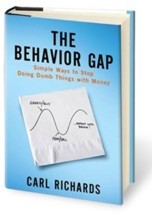
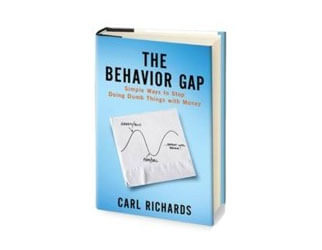
That is some of the worst financial advice I’ve ever heard, and if Carl Richards had been there I imagine he would have thrown a few rotten eggs and tomatoes. Richards’ new book, The Behaviour Gap: Simple Ways to Stop Doing Dumb Things With Your Money, spends most of its 178 pages encouraging investors to ignore the headlines and focus on the real determinant of financial success or failure: ourselves.
“Forget about what’s going on in China or global demand for the dollar or the price of gold,” Richards writes. “While we’re worrying about those things, we could be doing things that actually make a difference in our financial lives—like working or trying to figure out how to save or earn a little more.”
Richards is a financial planner and a New York Times blogger who has a remarkable talent for distilling his insights into napkin sketches. His book sets out to discover why Dalbar studies demonstrate that equity investors have underperformed the market by over 4% annually over the last 20 years. The primary reason isn’t high fees: if that’s all it were, the difference would be much smaller. Rather, it’s a behavior gap—Richards’ term for the difference between what investors should do and what they actually do.