
Why Gen Z Is choosing career vibes over big paycheques, especially early on
Gen Z is prioritizing purpose, mentorship, and flexibility over salary. Here's how choosing the right early-career environment and a safety net sets you up for success.


Advertisement
Gen Z is prioritizing purpose, mentorship, and flexibility over salary. Here's how choosing the right early-career environment and a safety net sets you up for success.

For decades, the standard career advice for young Canadians was as linear as an airport security line: shoes off, laptop out, no detours. Except in career land it was: get the degree, find the best-paying gig, climb the corporate ladder, and don’t look back until retirement.
But according to the 2026 CIBC Ambitions Index, that playbook hasn’t just been updated, it’s been rewritten.
Now, if you’re choosing a workplace based on its mentorship and its cultural vibe over the largest possible figure on your offer letter, you’re not lacking ambition, you’re being intentional about what really matters. You might even be following the same advice as billionaires like Michael Bloomberg and Warren Buffett, who have long stated that the right environment matters more for long-term success than an extra few grand a year in your twenties.
To understand how Gen Z and Millennials are navigating this shift, I spoke with Carissa Lucreziano, Vice President of Financial Planning and Advice at CIBC. She’s seeing a massive generational move toward what she calls, “a different ambition.”
“It’s not about having less ambition; it’s really about having a different ambition,” Lucreziano explains. “For Gen Z, success goes beyond just the paycheck and the promotions, it’s much more broad in scope. They’re looking for purpose. They’re looking for flexibility and experiences that matter.”
The data is clear: 79% of Gen Z and 82% of Millennials say meaningful contributions matter more than a higher salary. In a time where traditional milestones like homeownership can feel unattainable, young Canadians are pivoting toward better company vibes—but not in a flighty way (like the term might imply). They’re looking for alignment with their values, time, and mental health.
“A huge driver behind this is values,” says Lucreziano. “The majority of Gen Z—almost 80%—say that their ambitions are closely tied to their personal values and a desire to have a meaningful impact.”
This isn’t just about feeling good about going into the office on Monday morning, it’s a practical adaptation to a world where the old rules of “loyalty for life” no longer apply. Many young workers are also growing up with economic uncertainty, higher costs, and less predictable career paths, so they’re building careers around flexibility and stability. By prioritizing job satisfaction and personal growth, Gen Z is building a different kind of resilience.
Of course, “vibes” won’t pay the rent in downtown Toronto or Vancouver. The question for many young professionals is how to chase a purpose-driven life without compromising their financial future. And somewhat surprisingly, the Index found that nearly 70% of Gen Z value experiences over saving for an early retirement.
But Lucreziano says this isn’t about financial recklessness, it’s a reaction to reality. Many young Canadians are trying to balance quality of life today with long-term resilience, especially when traditional milestones can feel less attainable than they did for previous generations.
So, how do you choose a feel-right role while still building wealth? Lucreziano suggests putting a basic financial foundation in place first, so your future is protected while you focus more on growth now.
“Young Canadians can prioritize experiences without compromising long-term security by putting a basic financial foundation in place first.”
The biggest mistake Lucreziano sees isn’t taking a lower-paying job in favour of a better-fitting role, it’s waiting for the “perfect” financial moment to start a plan.
“One mistake I often see when you’re thinking about value-driven young professionals is being too worried about making the wrong financial decision that you hesitate to start at all,” she says. “It’s really about progress. It’s about the journey one step at a time.”
Investing is a great example of this: you don’t need perfect timing or a perfect strategy, you just need a start date.
If you’re weighing two job offers—one with a high salary but a culture that doesn’t quite fit, and another with lower pay but strong mentorship, flexibility, and growth potential—the data confirms what many in Gen Z already know: early-career success isn’t just about the biggest paycheck. It’s about the opportunity that makes you better.
Because in a volatile economy, adaptability is a financial strategy, too. “The most important habits are consistency and adaptability.” And, as Lucreziano puts it, “Long term stability today is less about hitting specific milestones and more about the journey to financial well-being.”
By choosing the right environment early on, you aren’t just chasing a vibe—you’re investing in the person you want to become. And if you’ve built a basic safety net in the background, your future self will thank you for the growth, even if your starting salary wasn’t the absolute maximum.
Share this article Share on Facebook Share on Twitter Share on Linkedin Share on Reddit Share on Email


From dinner parties to movie nights, staying in is on the rise. Explore why young Canadians are embracing the...
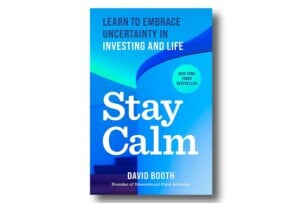
David Booth’s Stay Calm lays out the latest, highly convincing case for sticking to indexing and doing less as an investor.

We’re looking at how Bitcoin and various other cryptocurrencies have fared in the second half of 2026.

Credit Canada found that 68% of Canadians don’t know how much of their budget goes toward housing. Those who...

There are still unique advantages to spousal RRSP accounts, even after the advent of pension splitting.

Yes, you can execute this combination of mortgage repayment and investing using ETFs. Your options depend on risk and...

Some Canadians will receive a payment from Veterans Affairs Canada (VAC) on Monday, September 28, 2026. The governmental department...

Financial experts reveal the money mistakes they made in their 20s and the lessons they wish they had learned...

Some expenditures stand in for the work required to actually reach our goals. Think of those before you swipe...

When bond yields rise, the effects ripple through the rest of the economy, and Canadians should take note. ...