
Credit counselling calls surge as Canadians struggle with rising costs
Credit counselling agencies across the country saw a 40% year-over-year increase in calls for financial help around debt, missed payments, and trouble paying mortgages.


Advertisement
Credit counselling agencies across the country saw a 40% year-over-year increase in calls for financial help around debt, missed payments, and trouble paying mortgages.
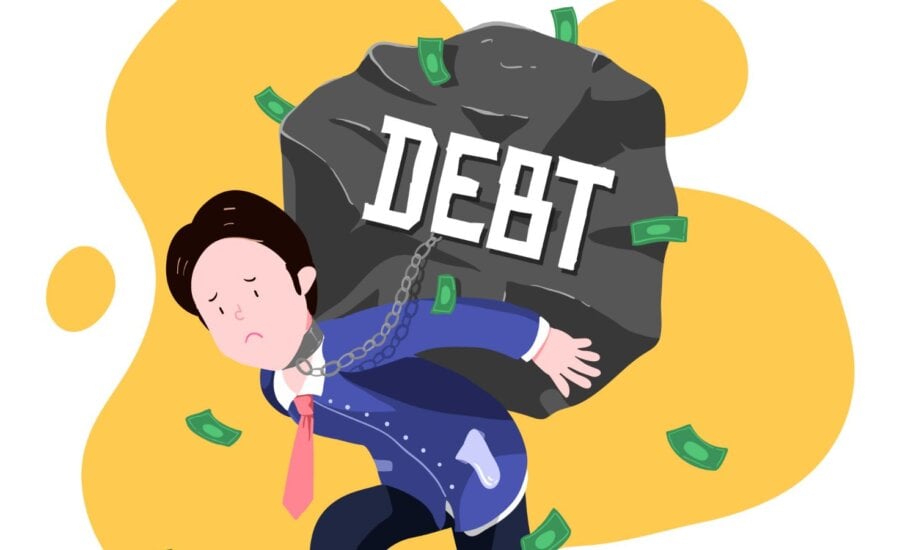
Canadians have had a difficult year when it comes to their personal finances, and calls to credit counselling agencies reflect these challenges. According to a new study from Credit Canada, calls for counselling are up 39.6% across the country over the past year. We’ll take a look at why Canadians are struggling with debt and offer practical tips from Bruce Sellery, CEO of Credit Canada, to help you get back on track.
Nationally, requests for help with debt management are rising—but the provincial breakdown is even more revealing:
Residents of Toronto and Vancouver likely won’t be surprised: the cost of living in Ontario and B.C. far outpaces that in provinces like Alberta, and the volume of credit counselling calls reflects this reality.
In fact, Credit Canada recorded a historic high in September 2025, receiving more calls in a single month than at any point in its 60-year history.
Credit Canada and Equifax highlight several pressures making it harder for Canadians to feel financially secure. The consumer price index (CPI) shows the cost of living is up 2.2% year-over-year, with food prices rising 3.5% and shelter costs up 2.5%.
Canadians are also paying roughly 7% more for home and auto insurance, while cell phone bills have increased by the same amount. As expenses climb, credit card and personal loan delinquencies are rising, particularly among those under 35.
“We live in really tough times with inflation, housing affordability, and mortgage rates,” says Bruce Sellery. Many people know that you should have a budget and contribute to savings, but when affordability outstrips income, it can be difficult to know what to do with your money, which is one reason Credit Canada has seen such an uptick in calls.
Related reading: Here’s what a comfortable income looks like in Canada
Feeling overwhelmed is normal, but as Sellery points out, “At the same time, we do have a lot of agency. We sometimes forget that.” Making a call to credit counselling is one step, but before taking action, ask yourself: “Why are my finances the way they are?”
Understanding your spending habits, values, and budget weaknesses can help shift your mindset. Once you have that insight, you can start committing to changes—whether it’s picking up a side hustle to save for a big purchase or finding creative ways to live in a high-cost city, like renting out a room or selling your car to rely on public transit.
For a structured approach, try Credit Canada’s Purpose of Money Quiz, which helps identify what you want your money to do and suggests simple steps to get started.
Share this article Share on Facebook Share on Twitter Share on Linkedin Share on Reddit Share on Email


The Bank of Canada will get fresh data to start next week as it weighs what could be a...

Which ETFs should you invest in? Which ones best suit your risk tolerance? What about personal ethics? Check out...

Looking to sell underperforming stocks? Two financial experts breakdown the benefits and tax implications of selling your securities at...

Debt
Follow a simple debt management process using tools you already have, build a budget and stay out of debt...

MoneySense writer Vickram Agarwal shares surprising ways responsibly using AI has helped him make day-to-day money decisions.

The S&P/TSX composite has moved lower find out the latest number for Canada's main stock index.

Simplii Financial is launching a new account type, named the Simplii Account, and is piloting new features like bank...

Find the 2026 CCB payment dates, maximum benefit amounts, income cutoffs, and eligibility rules for the Canada Child Benefit....

A quarter of Canadians already have a side hustle and another quarter wants to start one. Where do the...

David Booth’s Stay Calm lays out the latest, highly convincing case for sticking to indexing and doing less as an investor.