The financial mistakes people make before seeking debt help

Created by
Credit Canada
Debt problems often start with small financial decisions. Learn 7 common mistakes that can make debt worse, and how to take action before it becomes a crisis.


Advertisement
Created by
Credit Canada
Debt problems often start with small financial decisions. Learn 7 common mistakes that can make debt worse, and how to take action before it becomes a crisis.
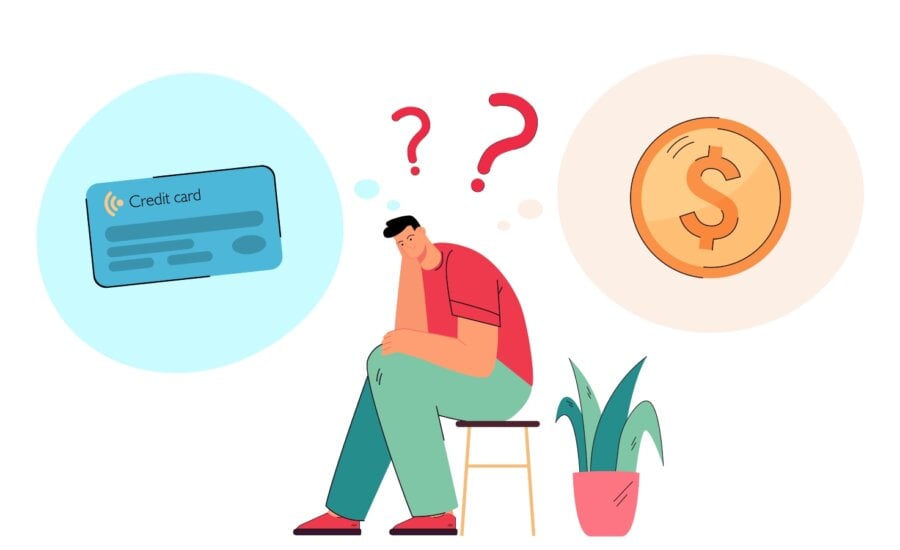
“I wish I had reached out sooner.” It’s one of the most common things that credit counsellors hear from people struggling with debt.
Debt problems rarely appear overnight. They tend to develop gradually through a series of well-intentioned decisions made while trying to stay afloat: a credit card is used to cover an unexpected expense; a savings account is tapped to make a payment; a tax refund is expected to solve the problem next month. Each decision can seem reasonable in isolation, but over time these temporary fixes can make debt harder to manage. Plus, they can limit your available options going forward.
If you’re worried about debt, recognizing the warning signs early on can help you avoid unnecessary stress, interest costs, and long-term financial consequences. Mike Beregon, Credit Counsellor & Client Services Manager at Credit Canada, underlines the importance of acting quickly. “Feeling overwhelmed about your financial situation is completely normal—but it’s those who take action who realize that difficult decision became life changing”, says Bergeron.
When money is tight, it’s normal to look for ways to create breathing room. One of the easiest ways to do that is to start moving debt around. That can look like:
The goal is usually to buy time, but the problem is that the underlying debt often remains unchanged at best. In many cases, the total debt load actually increases as interest charges and fees from new borrowing accumulate.
While things like balance transfers and promotional offers can be useful tools when they’re part of a structured debt repayment plan, moving debt without addressing the root cause can give the illusion of progress, while total debt actually grows. “Managing debt without addressing the root cause is like mopping up water while the tap is still running”, says Bergeron.
Making the minimum payment keeps your account in good standing, but it does very little to reduce your overall debt. Minimum payments can create the illusion of control, while the balance declines far more slowly than most people expect.
For example, a $2,000 credit card balance at an 18% interest rate can take nearly four years to repay if you only make the minimum payments (assuming a typical payment of $60 per month) according to the Financial Consumer Agency of Canada. Over that period, the interest charges alone would amount to almost $800, though this could be higher depending on how your card issuer calculates the minimum payment.
If you’re only making minimum payments right now, creating a clear spending plan can help identify opportunities to put more toward your debt each month. Credit Canada’s free budget planner is a great place to start.
Unexpected expenses such as vehicle repairs, medical costs, home maintenance, or temporary income disruptions can happen to anyone. Your savings provide a financial cushion if it happens to you.
However, using your emergency fund to cover recurring monthly expenses like groceries, rent, or utilities signals a structural budgeting issue rather than a temporary setback.
While using savings may prevent additional borrowing in the short term, it can also leave you financially vulnerable. Once those funds are gone, you’re taking a risk and hoping that you can rebuild your savings before the next unexpected expense comes.
A shrinking emergency fund isn’t necessarily a failure, but it may be a sign that it’s time to take a closer look at your overall financial situation.
When debt problems start to grow, your long-term savings can look like an easy solution. That could mean:
While these moves can provide you with much needed cash flow, they often come with significant consequences. For example, RRSP withdrawals may trigger taxes and permanently reduce your retirement savings. Selling investments can interrupt years of compound growth.
In many situations, the debt itself isn’t the root problem. The real issue may be a gap between income and expenses, ongoing reliance on credit, or a spending plan that no longer works for you. Without addressing those underlying factors, cashing out savings is just another quick fix, not a lasting solution.
Debt problems tend to worsen gradually rather than suddenly, and recent data from Equifax Canada shows that many households are already seeing rising signs of financial strain through higher delinquency levels.
The difficulty is that many of the warning signs have been normalized as part of everyday life, which makes it harder to realize when you’re actually sliding further towards unmanageable debt.
Some of the warning signs include:
Experiencing one of these signs doesn’t necessarily mean you’re facing a crisis, but if several of them do hit home, it’s probably time to take a closer look at your finances.
A comprehensive guide for Canadians
When you’re struggling to budget from one month to the next, it’s natural to think (or hope) that relief is just around the corner.
Many people tell themselves that everything will improve when:
Sometimes these events do happen, but while you wait, debt continues to grow. In fact, Canadian household debt levels have continued to climb, with roughly $1.80 in credit market debt for every dollar of disposable income, highlighting how quickly financial pressure can build when repayment is delayed.
Hoping for a future solution can often delay meaningful action today. “Hope is not a financial strategy. Progress begins when hope is paired with a plan”, notes Bergeron.
Perhaps the biggest mistake people make is waiting too long to seek out help. The longer debt problems continue, the fewer options you may have available. According to the Bank of Canada’s 2026 Financial Stability Report, Canadian households are carrying high levels of debt relative to income, leaving many vulnerable to unexpected income shocks like job loss or emergency expenses.
Many assume that debt counselling is only for those facing bankruptcy, collection actions, or severe financial hardship; others worry they’ll be judged for their situation. In reality, seeking debt help early can help protect one of the most vital elements in your favour: available options.
That’s why many individuals later say they wish they had reached out sooner.
Tightening budgets and creeping debt can leave you feeling out of control, but choosing to act early is one of the biggest wins you can take for your finances. You can start by taking a few practical steps:
Above all, remember that getting information doesn’t ever lock you into a particular path. If you’re looking for practical next steps, there are structured ways to regain control of your finances and start building a path out of debt.
Most debt problems don’t appear overnight. They usually develop through a series of understandable decisions made while trying to manage financial pressure.
Using debt to pay debt, relying on minimum payments, draining savings, or hoping a future event will solve the problem can all distract from taking meaningful action. If you recognize one or more of these behaviours in your own finances, try to see them for what they are: early warning signs, not personal failures.
If you’re concerned about debt, you don’t need to wait until the situation feels unmanageable to seek advice. Consider reaching out to a non-profit credit counselling agency like Credit Canada, which can help you better understand your finances, explore your options, and make informed decisions about handling debt. Contact Credit Canada to speak with a certified Credit Counsellor and learn about the steps you can take today.
Some common signs include relying on credit cards for essentials, making only minimum payments, regularly using overdraft protection or regularly missing bill payments. If your debt continues to grow despite your efforts to manage it, it may be time to seek professional debt advice.
That depends on your situation. If you can comfortably make progress on your debt while covering your living expenses and building savings, a self-directed repayment plan may be enough. If you’re struggling to keep up with payments, or aren’t sure which debt solutions are available, debt counselling can provide valuable guidance.
Yes, using one credit card to pay off another can make your debt worse. While transferring debt can sometimes be part of a legitimate repayment strategy, using one form of credit to pay another without a clear plan often just increases overall debt.
The best time to seek debt help is before you miss a payment or exhaust your savings. Early action will provide more flexibility and a wider range of options. Even if you’re not in crisis, speaking with a professional can help you understand your finances and plan your next steps. If you’re looking for guidance, visit Credit Canada’s website or call to learn more about your options.
Share this article Share on Facebook Share on Twitter Share on Linkedin Share on Reddit Share on Email

Eligible for CPP and OAS/GIS? Here’s how much money you can expect this week.

Ontario is seeing consumer insolvencies rise faster than much of Canada. Here's what is driving the trend and what...

The Bank of Canada has held interest rates steady for 2026 but some experts predict this may change. Find...

Which ETFs should you invest in? Which ones best suit your risk tolerance? What about personal ethics? Check out...

Should you buy or rent? Our guide breaks down the cost of homeownership vs. renting.

The value of a home during a divorce depends on more than today’s market price. Here’s what to know...

Dollarama raises its sales and store-opening forecasts, Reitmans posts lower earnings, and Corus gets approval for its debt deal.

Banks are adopting AI for everything from customer service to lending, but scaling the technology safely remains a challenge.

Canadian-listed “.U” ETFs let investors put U.S. dollars to work without buying U.S.-domiciled funds, potentially offering advantages for tax...