
Don’t neglect financial planning’s missing middle
Scenario-based planning can help you build a financial plan by testing “what ifs” and turning uncertainty into informed, realistic decisions.


Advertisement
Scenario-based planning can help you build a financial plan by testing “what ifs” and turning uncertainty into informed, realistic decisions.

I called two prominent, fee-only financial planning firms that don’t sell investments because I want a financial plan, and they both turned me away. They said they couldn’t help me because I don’t know what I want. I’m not sure what to do. I want a plan, but I don’t have any real goals. How do I get a plan if I don’t know what I want?
—Susan
Hi Susan. It is too bad they couldn’t help you. Don’t give up. Not having set goals should not stop you from having a financial plan. I am sure the firms you spoke to are very good and it may just be that their approach to planning is better suited to people with goals. The problem is there are a lot of people without well-defined goals.
For financial planners, it is easier to prepare a plan for people with specific goals or facing a financial decision. They want answers to questions like: When can I retire? When should I start Canada Pension Plan and Old Age Security? Should I draw from my holding company or registered retirement income fund (RRIF)? With these questions, the plan becomes a math problem easily solved by a competent planner.
If there are no stated goals, it seems financial plans almost aways turn into retirement plans. There is always a need for some kind of anchor the math can revolve around. It doesn’t have to be that way, though; there is a better way.
Generally, the first meeting with a planner is the discovery meeting where you both learn about each other in a safe environment. Your planner is going to want to know a bit about your history, how you got to where you are today, and what you want to achieve. They will also get your financial information, what savings or assets you have now, and what you anticipate receiving in the future.
With this information, a planner can go off and build a financial plan showing you the best way forward and present you with a solution—or can they? Susan, in your case, like many others, you don’t know what you want. Or maybe you have too many ideas about what you would like, and you can’t decide. It is okay.
You can’t go from a discovery meeting to looking for solutions to plan presentation. There is a missing step called “scenario planning.” It is where the good stuff happens—where life and money collide and the real learning takes place.
Scenario planning allows you to test out the different possible futures you may experience. Throughout this testing, you will discover what is possible and what isn’t. Once you know what is possible, you can set some goals. This step is what allows you to set realistic goals.
Susan, I don’t know what sort of things you would like to test, but most people generally test around four things: their home, lifestyle, family, and career. Things like whether they can afford a cottage, more travel, early retirement or a career change, gifting to children and charity, and so on. You get the idea.
As you play out your alternative futures, you will become more aware of how your life decisions affect your money, taxes, government benefits, and your estate. You may find yourself becoming more creative in testing different future paths and finding solutions to any possible gaps. As you continue modelling different “what ifs,” things will become clearer. You begin to see how everything is interconnected, and it will help you to make decisions more easily and with more confidence.
Susan, I think a scenario-based planning session will help you immensely. I also bet that there is one thing you want, which will be your starting point. I bet you don’t want to go backwards. At the very least you want to continue living the way you are and maybe even improve your situation. So, start there by modelling your current situation and getting a good sense of where you are now and what it costs to live the way you are living now, then test some things you may want to try in the future.
Once you have done that, you may have everything you need for now. You will come away with a better sense of what is possible and you will realize how the registered retirement savings plans (RRSPs), RRIFs, tax-free savings accounts (TFSAs), and other financial assets interact with your life decisions. Maybe take some time and let some ideas percolate in your head. When you are ready to take things further, you can reach out to a financial planner.
Of course, Susan, you may go through the scenario-based planning session and come away more focused and ready to move on to the next step where a planner can help you come up with a game plan to help you reach your goals. If that happens, turn this into an annual process where you keep building and learning year after year, revisiting your current situation, discovering new possibilities, altering your game plan to capture your new interests, and taking action. That is scenario-based financial planning. It puts you in control.
Share this article Share on Facebook Share on Twitter Share on Linkedin Share on Reddit Share on Email


From dinner parties to movie nights, staying in is on the rise. Explore why young Canadians are embracing the...
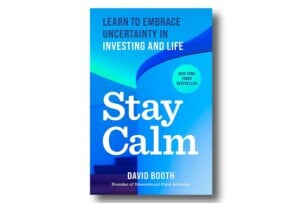
David Booth’s Stay Calm lays out the latest, highly convincing case for sticking to indexing and doing less as an investor.

We’re looking at how Bitcoin and various other cryptocurrencies have fared in the second half of 2026.

Credit Canada found that 68% of Canadians don’t know how much of their budget goes toward housing. Those who...

There are still unique advantages to spousal RRSP accounts, even after the advent of pension splitting.

Yes, you can execute this combination of mortgage repayment and investing using ETFs. Your options depend on risk and...

Some Canadians will receive a payment from Veterans Affairs Canada (VAC) on Monday, September 28, 2026. The governmental department...

Financial experts reveal the money mistakes they made in their 20s and the lessons they wish they had learned...

Some expenditures stand in for the work required to actually reach our goals. Think of those before you swipe...

When bond yields rise, the effects ripple through the rest of the economy, and Canadians should take note. ...