
Beware, small business. The ‘perfect’ customer may not exist

Sponsored By
Equifax
If your business makes sales online, watch out for a different kind of scam targeting companies: synthetic identity fraud.


Advertisement
Sponsored By
Equifax
If your business makes sales online, watch out for a different kind of scam targeting companies: synthetic identity fraud.
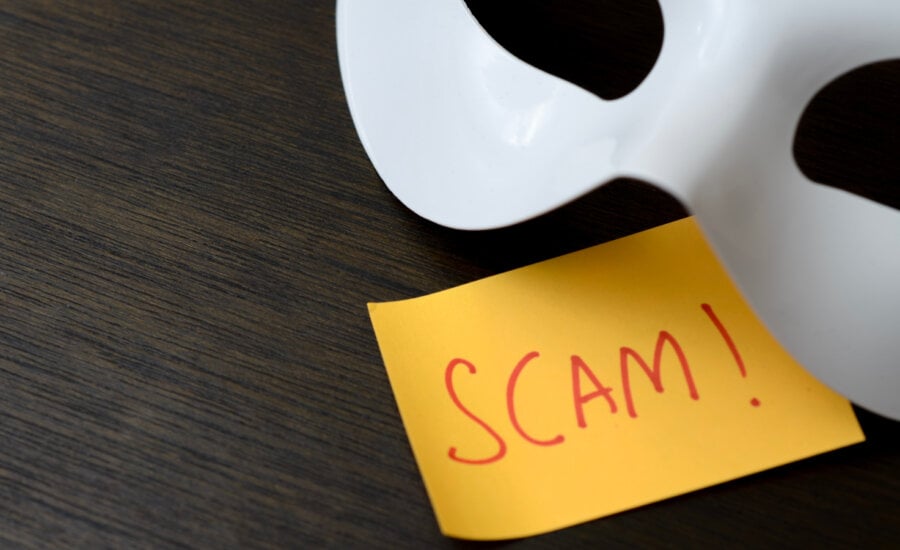
Synthetic identity fraud, a growing strain of online fraud targets not individuals, but businesses both large and small.
For the victims of digital fraud, it’s personal. It can feel like they were specifically preyed upon. But the fact is cyber criminals don’t care whether their ill-gotten gains come from individuals, small businesses or banks, or who is left violated. What they care about is that the scam works—and that they don’t get caught.
If you own or operate a business, you should know about synthetic identity fraud, take precautions, and report suspicious activity.
Synthetic identity theft is a form of financial fraud in which a real person’s key information, such as their name, social insurance number (SIN), and date of birth, is obtained through a data breach, online/phone scam, or by buying it off the dark web. It’s then combined with other falsified personal information to create a new hybrid identity.
Criminals use these “Frankenstein” identities to take out loans or set up bank and credit-card accounts. At some point they will typically stage a “bust out” fraud, charging or borrowing a large sum of money and then disappearing without a trace. Or, they might try to use the accounts they open to store money obtained illegally or even use the synthetic identity to hide from authorities.
This kind of scam is growing more and more common. In Canada, synthetic identity fraud doubled as a proportion of all fraudulent credit applications between 2022 and 2024.
To the online seller, they may just look like the perfect customer. They gradually increase the frequency of their patronage and pay their bills on time. Unfortunately, they don’t exist!
Synthetic identity fraud is usually a long con, following a series of steps over months or years:
Unlike identity theft targeting individuals, there is no direct victim of synthetic identity fraud, meaning it may not be detected or reported, let alone prosecuted, for a long time. Synthetic fraudsters often target people with limited or inactive credit histories such as children, seniors, and even deceased people to create new identities. Such victims are less likely to check their credit reports, allowing the fraud the required time to unfold.
When a business gets defrauded, they might wrongly categorize it as bad debt from a delinquent customer. The only indication a business might have that a customer may not exist is that their online behaviour may be a little too perfect. Their credit history may appear flawless and their record of credit acquisition may look methodical. This is because the scammers want to build up a good credit score in the shortest time possible.
Real people, by contrast, tend to apply for credit as life’s priorities present themselves. Discerning the difference between real and fake customers has driven financial institutions and credit agencies to look for “digital dust,” non-traditional data like ecommerce, digital identity, and behavioural data that shows a person is indeed real.
Equifax Canada has developed a tool for businesses, Synthetic Identity Score, that uses machine learning to determine the likelihood that the subject of a credit file is fake. This allows businesses to fast-track high-confidence credit applications while directing higher-risk cases toward secondary review processes. Companies can also apply the Synthetic Identity Score analysis to their existing databases to potentially uncover ongoing synthetic identity fraud cases. In one study, 30% of the riskiest 10% of new customer identities went on to become delinquent.
Businesses, banks and individuals can all be harmed by synthetic identity fraud. Credit issuers are most commonly left out of pocket by a successful bust out, but small businesses offering their own credit can be victimized too. U.S. data indicates synthetic identity fraud now accounts for one-fifth of all credit losses, which gets baked into the cost of doing business. Consumers whose information has been used to create a synthetic identity can potentially have a black mark on their credit file or even lose their access to credit.
Unlike conventional identity theft, there is no direct victim to detect and report the crime. Business operators who see evidence of synthetic identity theft may either not recognize it or neglect to report it, thinking it is someone else’s problem. If the fraud plays out to its conclusion, however, everybody pays.
Share this article Share on Facebook Share on Twitter Share on Linkedin Share on Reddit Share on Email


Jill had spent years building her retirement savings in Canada when she started thinking about what would happen to...

Rogers has shared that if you pay your bill with a credit card, you will be charged a payment...

Which ETFs should you invest in? Which ones best suit your risk tolerance? What about personal ethics? Check out...

Mullen Group reports a 16% revenue increase, Chorus Aviation agrees to a $40-million acquisition, and National Bank plans a...

From dinner parties to movie nights, staying in is on the rise. Explore why young Canadians are embracing the...

Markets are betting the Bank of Canada will end its year-long pause on rates. One mortgage expert isn't so...

Here's everything you need to know about settling a deceased loved ones estate and challenges that come with...

Eligible for CPP and OAS/GIS? Here’s how much money you can expect.

Air Canada is now charging $30 to book flights over the phone. Find out the latest about this new...

If you meet certain eligibility criteria, the CRA may do most of your tax return 2026 for you. But...