How global conflict affects your finances in Canada
Global conflicts affect Canadians’ finances in real time. Learn how rising costs, volatility, and uncertainty can impact your budget and investments.


Advertisement
Global conflicts affect Canadians’ finances in real time. Learn how rising costs, volatility, and uncertainty can impact your budget and investments.
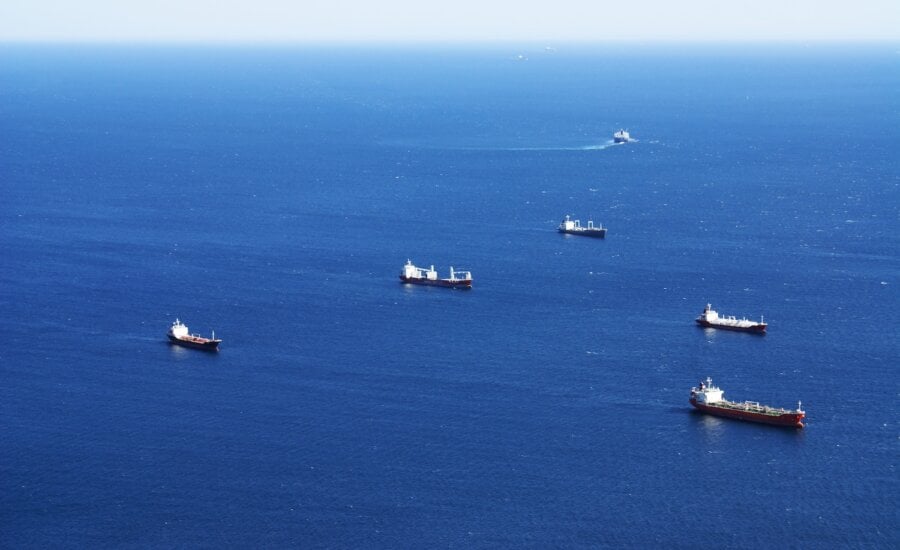
We like to believe that distance offers protection, that what happens thousands of kilometres away, across oceans and borders, stays there. But we don’t live in that kind of world anymore. We live in a deeply connected global economy, where conflict in one region doesn’t just create headlines. It creates consequences. Not always immediately, and not always visibly, but eventually, and often in ways that show up in the most personal place possible: your wallet.
The current conflict across the Middle East is one of those moments. For some Canadians, it is deeply personal. I fall into that group. Having been raised in the Middle East, I have friends, family, former colleagues, and clients directly affected by what is unfolding. For others, it may feel distant. But economically, none of us are insulated.
This is not a doomsday scenario, but it is a moment to be aware, stay informed, and prepare for the reality that things may get more expensive, more volatile, and more uncertain before they stabilize. The ripple effects are real. In many ways, they behave more like a tornado than a ripple, picking up speed and impact as they move across systems.
This is not hypothetical. These impacts are already showing up in everyday Canadian life:
We are already seeing it. The Middle East plays a central role in global oil supply, and even the perception of disruption is enough to push prices higher. Gasoline prices have started to climb again, and that increase does not stay isolated at the pump. It flows through everything: transportation, logistics, and ultimately the cost of goods and services.
We have only just come through a period of elevated food inflation, and yet here we are again. Rising fuel prices increase the cost of producing and transporting food. That shows up quickly in grocery aisles, turning a global issue into a higher weekly bill.
If you have looked at your portfolio recently, you have felt it. Markets are reacting in real time. Daily swings are sharper, sentiment is fragile, and uncertainty is driving behaviour. For long-term investments like retirement savings and RESPs, this creates discomfort, even if the long-term outlook remains intact.
Gold is often positioned as a safe haven in times of conflict, but what we are seeing is more complex. Commodities are not reacting to one factor alone. The strength of the U.S. dollar, interest rates, and broader economic conditions are all influencing outcomes. For investors expecting a clean hedge, this has been a reminder that markets rarely move in straight lines.
The Bank of Canada has held rates steady, and borrowing costs are not at extreme levels today. But rising oil prices and global instability create uncertainty around inflation. When inflation becomes uncertain, central banks become cautious. Instead of cutting rates, they pause, and any expected relief gets pushed further out. This means mortgage rates may stay higher for longer than many Canadians anticipated. It is not a shock to the system, but it is a slow squeeze on affordability.
Answer a few quick questions to get a personalized quote, whether you’re buying, renewing or refinancing.
Businesses react quickly to uncertainty. We are seeing more cautious hiring, delayed investments, and in some cases, restructuring. Global instability affects costs, supply chains, and demand, which in turn affects how companies manage their workforce. For individuals, this is less about immediate job loss and more about increased risk.
Fuel costs are rising, and global instability is reshaping travel patterns. Flights are becoming more expensive, routes are less predictable, and travel advisories are evolving quickly. This is also a moment to pay closer attention to travel insurance and coverage.
All these factors feed into a broader reality. Inflation is not just a number; it is the cumulative effect of rising costs across categories. Even if not everything spikes at once, the pressure on household budgets continues to build. This is where the tornado effect becomes real. It starts elsewhere, but it gathers strength as it moves through the system.
This is harder to quantify, but just as important. For those with ties to the Middle East, this is not just news; it is personal. For others, it is the weight of uncertainty. That stress can influence financial decisions, spending habits, and overall well-being.
You can’t control global events, but you can control how you respond to them. Here are some practical ways to navigate periods like this.
1. Be more intentional with spending. This is not about cutting everything out, it is about being more deliberate. Review your discretionary spending and identify areas where you can scale back without feeling deprived. Small adjustments, made consistently, can create meaningful financial breathing room.
2. Rethink everyday habits. Simple shifts can go a long way. Carpooling, combining errands, and being more fuel-efficient in your day-to-day movement can help offset rising gas prices. Choosing pickup over delivery, or cooking at home more often, can reduce costs without eliminating convenience entirely.
3. Stay engaged with your investments. Volatility is uncomfortable, but disengaging completely can be riskier. Review your portfolio, understand your exposure, and speak with your financial advisor if needed. Diversification matters more in uncertain times, and so does aligning your investments with your risk tolerance.
4. Pause large financial commitments. If you are considering a major purchase, whether it is a car, a home upgrade, or a significant discretionary expense, it may be worth waiting. Giving yourself time to understand how conditions evolve can prevent overextending financially during a period of uncertainty.
5. Prioritize income stability. This is not the time to take unnecessary risks with your primary source of income. If you are employed, focus on stability and performance. At the same time, consider ways to diversify your income through side work, freelance opportunities, or other sources that can provide additional support if needed.
6. Build or reinforce your emergency fund. If there was ever a time to revisit your safety net, this is it. Even a modest emergency fund—enough to cover a month or two of expenses—can provide peace of mind and reduce the need to rely on high-interest debt if income is disrupted or unexpected expenses arise.
7. Stay informed, but stay grounded. Understanding what is happening globally helps you make better financial decisions. At the same time, it is important to avoid reacting emotionally to every headline. Awareness should guide thoughtful action, not panic.
8. Be mindful of convenience spending. On-demand services have become part of everyday life, and they also support many Canadians who rely on them for income. You need not eliminate them entirely, but use them more intentionally and recognize their true cost.
9. Support others if you can. Periods of economic pressure affect people differently. Food banks and community organizations often see increased demand during times like this. If you have the capacity, consider contributing, even in small ways. Supporting others is not just a social act; it strengthens the communities we all rely on.
Global conflict reminds us of two things at once. First, how interconnected we all are. And second, how differently those impacts are felt. For some, the cost is immediate and deeply personal. For others, it shows up more quietly, in higher prices, tighter budgets, and increased uncertainty. Either way, the effect is real.
This is not something to fear. It is about awareness and recognizing that the world does not operate in silos. Financial resilience is built not just in stable times, but in how we respond when things feel uncertain. Because in a connected world, even distant events can shape the life you are building right here at home.
Share this article Share on Facebook Share on Twitter Share on Linkedin Share on Reddit Share on Email


Gen Z faces an “experience gap” as AI and employer expectations rise. Co-ops, apprenticeships, and hands-on learning are now...

Rental property investors need to report their annual income and expenses on their tax return. You must also track...

The Canada Caregiver Amount can help families supporting loved ones with infirmities. Learn who qualifies and how much you...

Bitcoin extends losses, down 47% since October 2025. When will the crypto bear market reverse, and what does the...

Crypto profits aren’t always tax-free. Here’s how the CRA taxes cryptocurrency transactions, mining and staking, and overseas gains.

Low trading volume does not necessarily mean low liquidity. Here’s what actually determines how easy it is to buy...

Vanguard’s VRIF ETF is tilting toward bonds to provide retirees stable income, balancing caution with a 4% annual payout...

Tara Bosch of SmartSweets shares the financial lessons, mindset shifts, and money habits that helped her build and sell...

These relationships have very specific meanings for tax purposes. It’s up to you to get them right.

Retirement planning for couples with a significant age difference calls for realistic projections but also flexibility.