What is convenience costing you?
Most Canadians have paid the cost of convenience to save time or effort, but few do it often. Here's how it adds up, and when it's worth it.


Advertisement
Most Canadians have paid the cost of convenience to save time or effort, but few do it often. Here's how it adds up, and when it's worth it.
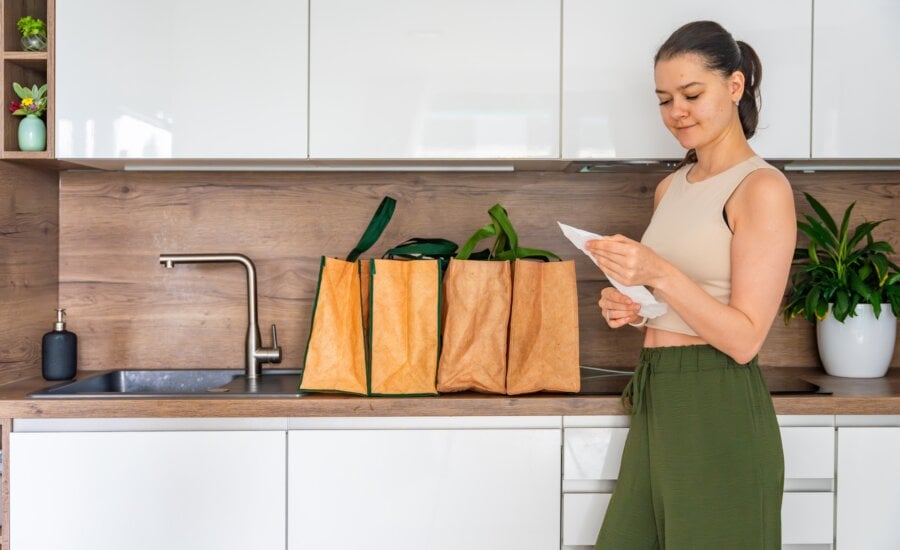
The cost of convenience has Canadians in a chokehold. Despite affordability taking a nose dive in the country, many still prefer to save the time and hassle that goes into doing certain tasks if and when a more convenient option is available.
If you’ve ordered prepared food because you didn’t have any in the fridge (or ordered ingredients because doing a grocery run felt more stressful), you are hardly alone. Most Canadians find it worthwhile, even with extra cost of service fees, delivery fee, and a tip.
It’s Financial Literacy Month and we’re talking about extra dollars Canadians pay for convenience.
On Wednesday, Nov. 4, PC Financial shared with MoneySense the findings of a survey Angus Reid conducted for it in late September.
In it, 92% of Canadians (from a total of 1,498 adults) said they’d picked a more expensive option in the past year because it saved them time or effort. That number sounds alarming, until you look at how often people actually do it.
Only 14% said they pay more for convenience often or very often. Another 45% said sometimes. For most of us, the cost of convenience is a pattern we slip into now and then, not a lifestyle.
That makes it a good thing to look at closely, because the occasional splurge is easy to justify, and the small ones are the easiest to lose track of.
Most people (77%) could name at least one area where the benefit would justify a higher price.
Predictably, groceries or meals came first at 35%, followed by household cleaning, maintenance or repairs at 34%. If you’ve ever opened TaskRabbit to deal with a leaky faucet instead of applying expertise you gained from YouTube in 15 minutes, you know what that’s like.
Time and hassle matter more than they used to, too. Six in 10 respondents (60%) said saving time or effort is more important to them than it was five years ago, and 59% said the same about reducing stress or hassle.
Price is still a major deciding factor though. When asked what makes something good value, 61% said a low price, 50% said quality, and 24% said saving time or effort. Only 3% described their approach to spending as primarily prioritizing convenience.
One reason convenience is hard to budget for is that the real price can show up late, at checkout.
The Competition Bureau calls this drip pricing: offering a low price to attract customers, then adding mandatory fees so the advertised price can’t actually be paid.
Under the Bureau’s guidance, businesses shouldn’t promote a price that customers can’t actually pay, other than government-imposed charges like sales tax.
The Bureau has taken that argument to the Competition Tribunal. In June 2025, it sued DoorDash, alleging the company promoted delivery at a lower price than customers ended up paying, because of mandatory service fees, delivery fees, small-order fees and others added at checkout. The Bureau also alleged that some of those fees were presented in a way that gave the impression they were taxes.
Comparing the final total at checkout is critical.
StatCan says prices for food bought from stores rose 1.7% year over year in September, the smallest yearly increase since May 2024. Still, grocery prices are up 33.0% since September 2020. Food overall rose 2.2% over the past year. It’s one of the biggest shares of household spending.
In Statistics Canada’s latest CPI basket update, food bought from stores made up 10.82% of the basket and food from restaurants made up 6.02%. “Each good or service in the CPI basket is assigned a weight that is proportional to its share of expenditures by Canadian households,” states the statistics agency.
When food is that large a portion of the budget, all the additional convenience fees are a bigger deal than they may look.
According to the PC Financial study, higher-income households were more likely to pay for convenience regularly.
Among households earning $100,000 or more, 20% said they pay more to save time or effort often or very often, compared with 12% of households earning under $50,000 and 9% of those earning $50,000 to under $100,000.
Lower-income households were more likely to prioritize lower prices (69% vs. 55% for the highest-income group).
About half (49%) said rewards, points, or cash back matter more than they did five years ago, but only 22% named rewards among the factors that matter most.
Meanwhile, 27% said earning rewards on a purchase they were already planning to make helps it feel like a smarter decision.
If you’re paying for convenience often, a card that earns on groceries and dining can claw back some of the cost. See MoneySense’s picks for the best grocery credit cards, and our guide to which card gives the most cash back for groceries.
If you want to regain control of your convenience expenses, or feel like they’re getting out of hand, you can ask yourself the following before you order something.
Share this article Share on Facebook Share on Twitter Share on Linkedin Share on Reddit Share on Email


We're all being encouraged to talk about money this Financial Literacy Month. The first thing I want to say...

Accepting who you are and what matters most can lead to more confident career choices, healthier money decisions, and...

Here's how you can build good money habits and start your financial independence journey when you turn 18.

MoneySense writer Vickram Agarwal shares surprising ways responsibly using AI has helped him make day-to-day money decisions.

Simplii Financial is launching a new account type, named the Simplii Account, and is piloting new features like bank...

Who stays in the home? What are the divorce-related rules about mortgages in Canada? A mortgage expert answers questions.

Some Canadians will receive a payment from Veterans Affairs Canada (VAC) on Monday, September 28, 2026. The governmental department...