
Wealthsimple just changed some rules for its Visa Infinite Privilege Card
Wealthsimple's Visa Infinite Privilege card now has longer medical coverage and a higher rental car cap, but no coverage for lost purchases.


Advertisement
Wealthsimple's Visa Infinite Privilege card now has longer medical coverage and a higher rental car cap, but no coverage for lost purchases.
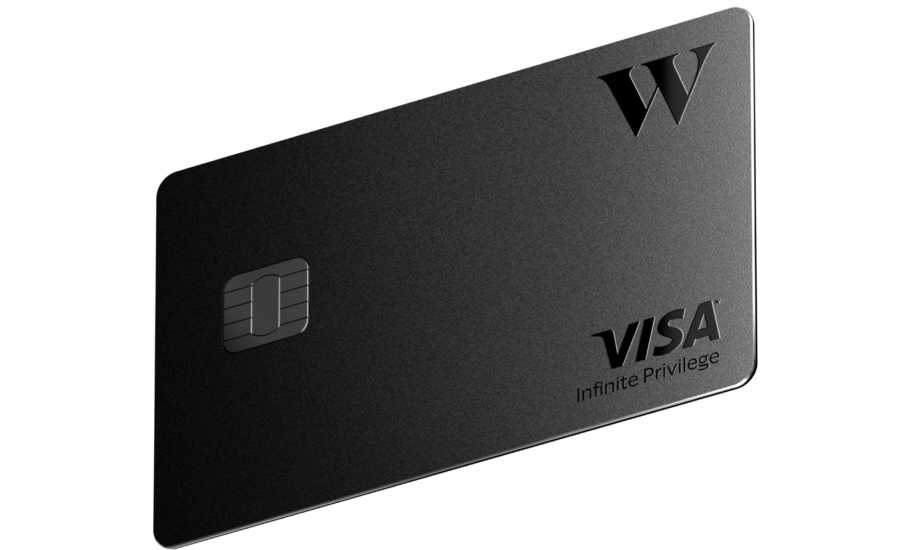
Wealthsimple has changed the insurance on its Visa Infinite Privilege card, and not everything is an upgrade.
The new terms took effect Nov. 2, 2026, according to a notice of changes to the card’s certificate of insurance and notifications sent to cardholders.
Existing cardholders who have a loss between Nov. 2 and Dec. 10, 2026 will have their claim judged under whichever wording, old or new, is better for them.
On the plus side, emergency medical coverage now applies to the first 21 days of a trip, up from 14, and rental car coverage now applies to vehicles with a manufacturer’s suggested retail price (MSRP) of up to $100,000, up from $65,000.
The downsides are that the card no longer covers purchases you lose, and flight delay benefits are not considered after any compensation you’re owed under Canada’s air passenger rules.
The Visa Infinite Privilege, or VIP, is Wealthsimple’s premium credit card. It has the same travel insurance as the Visa Infinite + card, with higher limits, including up to $2 million in emergency medical coverage.
The card earns 2% cash back, carries a $240 annual fee (waived if you meet certain requirements) and requires a minimum income of $150,000, or $200,000 for households.
Here’s what changed on Nov. 2:
Per the notice, emergency medical coverage for trips outside your province or the country now applies to the first 21 days of a trip, up from 14.
Coverage is for travellers under 65.
The certificate also now says it only applies to trips taken after its effective date and while coverage is in effect. A three-week vacation now fits inside the covered period, but anything longer will need separate cover.
Collision and loss damage coverage now excludes any vehicle with a (pre tax) MSRP, above $100,000. The old limit was $65,000, so more expensive cars qualify now.
How you decline the rental company’s collision damage waiver (CDW) has also changed. You only have to decline it “if legally allowed.”
In places where local law makes you buy the agency’s coverage, Wealthsimple’s insurance adds an extra coverage layer on top.
If you have to cancel a trip for a covered reason, the card can reimburse the prepaid part you can’t get back. According to the notice, this includes vouchers for future travel. The limits of up to $1,500 per person and $5,000 per trip remain unchanged.
A government travel advisory can also trigger coverage. If Global Affairs Canada issues a formal notice telling Canadians not to travel to your destination, because of things like terrorism, civil unrest or a natural disaster, you’re covered as long as it comes after you’ve booked and within 30 days of departure. Outbreaks of communicable disease are still excluded.
The certificate now defines “full cost” for trip cancellation, baggage, flight delay, and rental car coverage. It’s the price of the trip, ticket, or rental car minus whatever you paid for with travel rewards points, as long as some amount was charged to the card.
That suggests a trip you split between points and the card should still qualify, as long as you put the cash portion on the card.
Before, purchase security covered items that were lost, stolen, or damaged within 90 days of purchase. Now, loss isn’t covered, meaning if you misplace a new pair of headphones, the card won’t help. Only theft or damage counts.
Eligibility for purchase security, extended warranty, and mobile phone insurance is now judged on the date of the loss, not the day you file your claim.
Flight delay benefits are now considered after any compensation you’re owed under the Canadian Transportation Agency’s Air Passenger Protection Regulations, or similar rules in another country. If an airline owes you compensation, claim that first. The card then covers what’s left, up to its limits.
The rules for when coverage ends have changed too. Coverage no longer stops once your balance is 60 days past due, and “good standing” now depends on whether the card issuer has cancelled your account, not whether it has suspended or revoked your credit privileges. The notice doesn’t specify how this will be applied.
Quebec residents can now get all of the card’s insurance benefits, according to the notice. Four travel coverages (emergency medical, trip cancellation and interruption, delayed and lost baggage, and flight delay) now have their own group policies for the province.
However, in Quebec, those coverages are optional. You’re covered only for the ones you added when you enrolled/renewed. You can cancel any of them by sending written notice, and coverage ends once the insurer receives it. The policies are issued by Chubb through Walnut Insurance Inc., an insurance firm in Quebec.
| Coverage | Before | Now | Better or worse? |
|---|---|---|---|
| Emergency medical | First 14 days of a trip | First 21 days of a trip | Better |
| Rental car collision/loss damage | Vehicles over $65,000 MSRP excluded | Vehicles over $100,000 MSRP excluded | Better |
| Trip cancellation | Non-refundable, non-transferable prepaid costs | Now explicitly includes vouchers for future travel | Better |
| Trips paid partly with points | No definition in the old certificate, per the notice | Covered as long as some of the cost is paid with the card | Clarified |
| Purchase security | Loss, theft or damage | Theft or damage only | Worse |
| Flight delay | Pays after other insurance | Explicitly pays after any air passenger rights compensation | Narrower |
| Quebec residents | Not stated in the notice | All four travel coverages available as optional add-ons | Better |
Share this article Share on Facebook Share on Twitter Share on Linkedin Share on Reddit Share on Email


Buying a home in an estate sale comes with its set of challenges, and this guide tells Ontario buyers...

In Canada, a credit score shows how likely you are to pay your bills on time. But a credit...

Wealthsimple announced 12 products and features on Thursday. Some are available now; others won't arrive until 2027.

Sponsored By
BMO

You will be affected if you have an RBC Cash Back Mastercard and/or an RBC Cash Back Preferred World...

What are the best streaming services in Canada? Which credit cards offer you streaming perks? Find out here. (Updated...

Millions of Canadians are currently acting as caregivers for parents. A new report shines light on the cost of...

The Hilton Honors American Express Card comes with an annual fee, a welcome offer of up to 70,000 points,...

Here's how you can build good money habits and start your financial independence journey when you turn 18.

Loblaw is making an effort to grow its discount store locations. But the grocery giant faces brand reputation issues.
